
Signs Your Company Needs to Rethink Its Health Benefits Strategy


If rising costs, unhappy employees, and outdated pharmacy benefits are holding your company back, it may be time to rethink your health benefits strategy.
Table of Contents
- When health benefits no longer work for your company
- Sign #1: Healthcare costs keep rising
- Sign #2: Employees are unhappy with their health benefits
- Sign #3: One-size-fits-all plans don’t work
- Sign #4: Lack of medical management and member support
- Sign #5: No transparency or control
- What to do if you see these signs
- Conclusion: Smarter health benefits for a healthier future
- Key takeaways
When health benefits no longer work for your company
Healthcare is one of the fastest-growing expenses for employers, yet many employees still feel their benefits don’t truly meet their needs. This disconnect can create frustration, higher turnover, and unnecessary costs.
For companies, sticking with the same outdated approach to health benefits is risky. Rising costs and unhappy employees are warning signs that it’s time to step back and rethink your strategy. Employers who adapt can uncover opportunities to save money, improve employee satisfaction, and stay competitive in attracting and keeping top talent.
Sign #1: Healthcare costs keep rising
One of the clearest signals that it’s time to rethink your health benefits strategy is the constant rise in costs. Inflation, higher prescription drug prices, and high-deductible health plans are squeezing both employers and employees. For businesses, this means budgets are stretched thin. For employees, it often translates into higher out-of-pocket costs and financial stress.
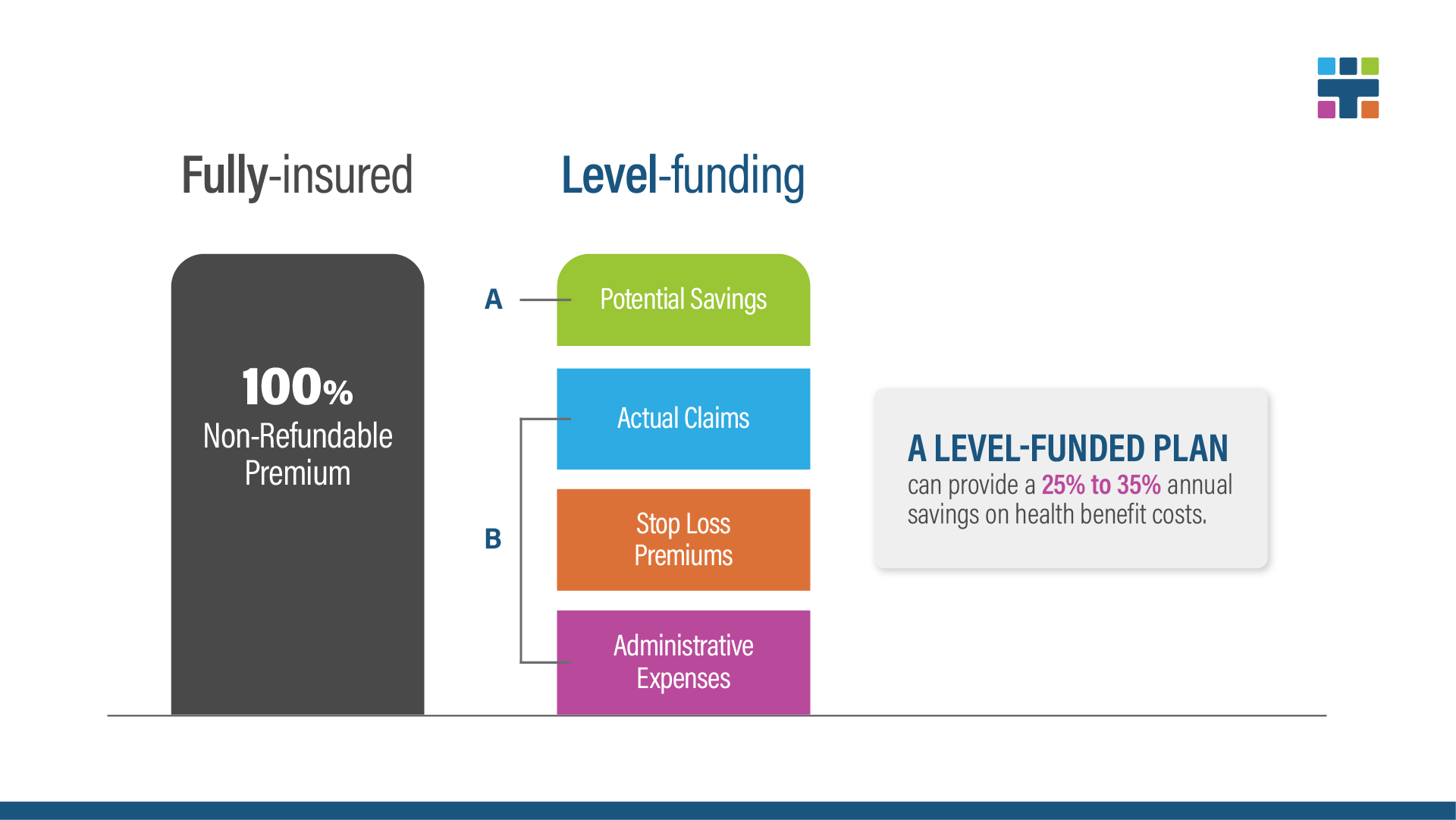
Relying only on fully insured health plans can make the problem worse. These plans are rigid and often come with built-in profit margins for insurance carriers, leaving little room for savings. In fact, many companies could be saving 25–30% by considering self-funded or level-funded models. These alternatives give employers more flexibility, transparency, and control, helping reduce costs without sacrificing care.
Sign #2: Employees are unhappy with their health benefits
Rising costs don’t just affect the company’s bottom line, they directly impact employees too. When members are stuck with high out-of-pocket expenses or limited provider networks, dissatisfaction quickly sets in. Instead of feeling supported, employees often feel like their benefits create more barriers than solutions.
This matters because health benefits are consistently ranked as one of the top factors in both retention and recruitment. If employees don’t see real value in their coverage, they may start looking elsewhere for an employer that offers stronger, more supportive benefits. In a competitive job market, an outdated benefits strategy could be the reason your company loses great talent.
Sign #3: One-size-fits-all plans don’t work
Every company is different, yet fully insured health plans treat them all the same. These plans are rigid, leaving little flexibility to adapt to differences in company size, budget, or workforce demographics. The result? Employers often pay more than they should, while employees still feel their benefits don’t match their real needs.
Self-funded and level-funded plans offer a smarter alternative. Instead of being locked into a cookie-cutter model, employers can design benefits that are customized to their workforce. For example, a younger workforce may benefit more from preventive care and mental health resources, while an older workforce might need stronger chronic condition management. With flexible plan design, companies can adjust coverage, networks, and support services to reflect the realities of their employees.
The outcome is twofold: employers gain more control over spending, and employees feel supported with benefits that truly make sense for them. This alignment helps reduce waste, increase satisfaction, and ensure health benefits are a real investment not just a cost.
Sign #4: Lack of medical management and member support
When employees don’t have access to proactive medical management, health issues can escalate quickly. Chronic conditions like diabetes, heart disease, or hypertension become more complex (and far more expensive) without the right care and ongoing support. This drives up costs for both the company and its members.
That’s where medical management and member support services make a big difference. Concierge services and member advocacy help employees navigate the healthcare system, connect with quality providers, and understand their treatment options. Instead of struggling alone, members have someone guiding them toward the most effective and affordable care.
The result? Better outcomes and lower costs. Companies save money by preventing complications, and employees feel supported in maintaining their health. It’s a win-win that transforms benefits from a financial burden into a true support system.

Sign #5: No transparency or control
If employers don’t know where their healthcare dollars are going, they can’t manage their plans effectively. Many traditional health plans keep costs hidden, making it nearly impossible for companies to understand what they’re paying for or why expenses keep climbing. This lack of visibility leaves employers powerless to make informed decisions.
Transparency changes everything. With clear reporting on claims, costs, and rebates, employers gain real control over their health benefits strategy. Instead of guessing, they can see exactly where the money is being spent and identify areas for improvement. For example, they might uncover opportunities to negotiate better rates, encourage smarter care choices, or redirect savings back into employee support.
By demanding transparency, companies protect both their budget and their employees. It’s about creating a benefits program that is accountable, fair, and built on trust.
What to do if you see these signs
If your company is experiencing rising costs, frustrated employees, or outdated plan designs, it’s time to take a closer look at your health benefits strategy. The first step is to reassess your current approach and identify where it may be falling short whether that’s in cost management, flexibility, or employee satisfaction.
For many employers, shifting to self-funded or level-funded plans can unlock significant advantages. These models prioritize transparency, savings, and member well-being, giving you more control while delivering benefits that better fit your workforce.
Most importantly, choose a partner you can trust. Trinity works with employers to protect members, reduce costs, and simplify benefits management. By focusing on both savings and support, Trinity helps companies build benefit strategies that truly serve their employees and strengthen their business.

Conclusion: Smarter health benefits for a healthier future
Rising healthcare costs, unhappy employees, and rigid plan designs are warning signs that companies can’t afford to ignore. Sticking with outdated strategies only leads to higher expenses and greater frustration for both employers and their teams.
The good news is that there’s a better way. With a modern, transparent health benefits strategy, businesses can cut unnecessary costs, improve employee health outcomes, and strengthen trust across the organization. By choosing solutions that balance savings with support, employers create an environment where both the company and its people can thrive.
Now is the time to rethink your health benefits strategy and Trinity is here to help you take that step with confidence because when your employees are healthier and more supported, your business is stronger too.
Key takeaways
- Rising healthcare costs and high-deductible plans are putting pressure on both employers and employees.
- Employee dissatisfaction with benefits can lead to higher turnover and recruitment challenges.
- Fully insured, one-size-fits-all plans lack flexibility, while self- and level-funded solutions offer customization and savings.
- Without proactive medical management and member advocacy, chronic conditions become more costly and harder to manage.
- Transparency in claims, costs, and rebates gives employers the control needed to lower expenses and improve outcomes.
Trinity helps employers design smarter, transparent benefit strategies that reduce costs, improve member health, and build lasting trust.